Alzheimer's and Dementia Solutions: Tailored Memory Care Solutions
Memory care programs serve a vital role in supporting individuals with Alzheimer's and dementia. These specialized programs focus on improving quality of life through customized treatment approaches and trained staff. They establish safe environments that encourage cognitive engagement and social interaction. Comprehending the essential features of these services can help families navigate the complexities of care. What specific elements affect their effectiveness, and how can families best engage in this journey?
 }
}Understanding Memory Care Services and Their Advantages for Families
How can memory care programs exactly support families facing the obstacles of mental deterioration, and what constitute they? Memory care programs are specialized programs developed to help people with Alzheimer's disease, dementia, and other mental health disorders. These services offer a structured environment customized to address the particular requirements of residents, promoting safety, engagement, and dignity.
Families commonly face practical and emotional challenges when caring for loved ones experiencing cognitive decline. Memory care facilities offer support through trained staff who understand the complexities of these conditions. This encompasses creating individualized care strategies, overseeing proper medication administration, and promoting meaningful social engagement.
The setting in memory care facilities is specifically designed to minimize disorientation and encourage autonomy, allowing residents to engage in meaningful activities. By providing relief for care providers, memory care services enable families to focus on their well-being while knowing their family members are in a safe, supportive environment.
Main Features of Successful Memory Care Programs
Successful memory care services feature several crucial aspects that enhance the standard of wellbeing for residents. First, individualized care plans are important, as they meet each resident's specific requirements, preferences, and challenges. These plans are regularly updated to reflect any alterations in status. Additionally, qualified professionals provide professional assistance, ensuring that caregivers recognize the complexities of Alzheimer's and dementia.
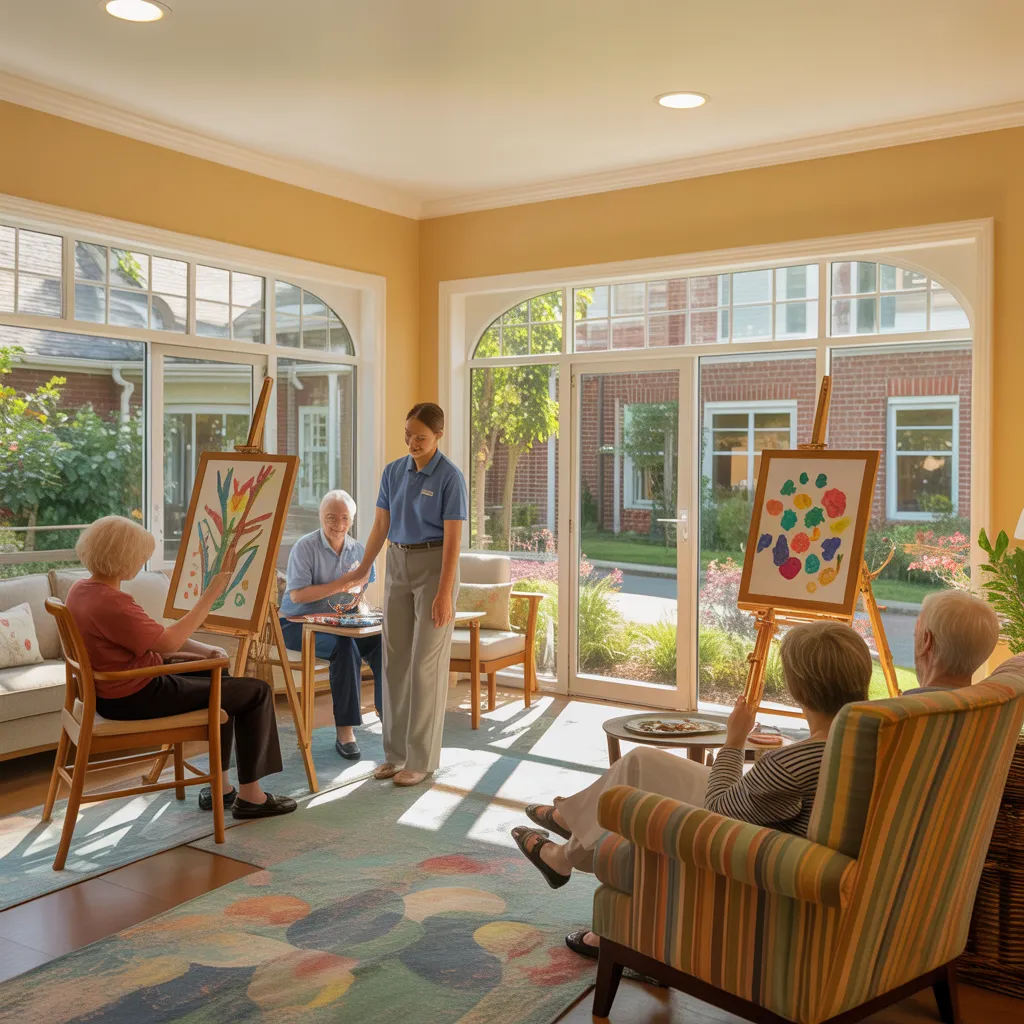
In addition, stimulating programs developed to boost cognitive function and promote community bonds have great importance. Programs frequently incorporate memory exercises, creative endeavors, and music therapy, cultivating a sense of community across participants. Safe and secure areas are also vital, supporting residents to move freely while reducing the likelihood of mishaps.
Finally, family involvement is encouraged, creating a supportive network that helps residents feel connected. Together, these features contribute to a comprehensive strategy that emphasizes dignity, comfort, and well-being.
How Can Memory Care Facilities Support Well-being and Comfort?
Memory care environments are created with numerous safety features that markedly improve residents' ease and quality of life. These centers generally incorporate secure layouts that minimize disorientation and wandering, guaranteeing that residents can navigate without the risk of becoming disoriented. Anti-slip flooring, handrails, and brightly illuminated common areas further add to a secure atmosphere.
In addition, memory care settings typically apply soft hues and familiar decor to create a soothing ambiance. This well-planned design alleviates anxiety and promotes a sense of belonging. Outdoor spaces are important, granting guests time in natural settings, which has been shown to lift spirits and total well-being.
Emergency intervention networks and staff trained in safety protocols assure that help is readily available when needed. By focusing on these elements, memory care environments underscore the safety and comfort of residents, allowing them to thrive in a compassionate environment tailored to their unique needs.
Why Professional Employees Deliver a Improvement in Memory Care
While the physical space functions as an essential role in elderly care, the expertise and compassion of trained staff are similarly essential to advancing residents' life satisfaction. Educated staff members recognize the complexities of Alzheimer's and dementia, implementing customized strategies to engage proficiently with residents. Their ability to spot distinct preferences allows for individualized treatment, cultivating a state of reassurance and faith.
Additionally, team members are trained to manage difficult conduct, using patience and empathy to de-escalate possible crises. They create engaging activities tailored to individual preferences, encouraging mental engagement and social interaction. Continuous training ensures that employees stay updated on proven methods and innovative approaches in dementia support.
This understanding not only strengthens the emotional health of residents but also provides loved ones with assurance in the support their loved ones receive. In the final analysis, the dedication and proficiencies of trained staff generate a significant influence on the general well-being of individuals living with memory loss.
Engaging Families in Alzheimer's Care: Leading Practices
Integrating families into cognitive assistance is necessary for advancing the well-being of individuals experiencing memory challenges. Robust communication strategies and structured engagement programs can reinforce these ties, fostering a compassionate environment. By prioritizing family engagement, care providers can better meet the unique requirements of all individuals.
Impactful Interaction Tactics
Effective dialogue approaches play an crucial role in enhancing the standard of care for individuals with memory impairments. Clear, simple language is fundamental; caregivers and family members should speak slowly and use known vocabulary to prevent misunderstanding. Non-verbal cues, such as physical movements and expressions, can significantly enhance comprehension and foster emotional connections. Engaged attention is vital; caregivers should provide complete focus, validating feelings and responding thoughtfully. Additionally, maintaining a serene and tolerant manner helps establish a nurturing atmosphere. Consistency in routines and communication techniques also benefits individuals with memory issues, as it reinforces recognition. Overall, these strategies not only improve interactions but also strengthen relationships, ensuring that people feel valued and understood throughout their treatment experience.
Family Engagement Initiatives
Family involvement plays a vital role in memory care, as it significantly boosts the well-being of those facing cognitive challenges. Getting family members involved in activities builds emotional bonds and develops a nurturing environment. Effective practices include scheduling regular read the information family visits that provide meaningful interactions, such as sharing stories or engaging in therapeutic games. Moreover, family members can take part in care planning, ensuring the preferences and histories of their loved ones are respected. Educational workshops also help empower families with knowledge about Alzheimer’s and dementia, enabling them to better support their loved ones. In the end, ongoing family engagement not only enhances the quality of care but also strengthens relationships, fostering a sense of belonging for individuals in memory care settings.
Different Memory Care Plans You Can Access
A broad range of memory care options are available to meet the diverse needs of individuals facing memory difficulties. These options range from specialized memory care facilities to in-home care services. Memory care facilities offer a secure environment with qualified professionals to assist residents with daily activities, promote socialization, and engage them in cognitive therapies.
In-home care services enable people to obtain customized assistance in comfortable environments, providing companionship and help with everyday activities while preserving autonomy.
Adult day programs work as a temporary solution, delivering planned activities and social interaction in the daytime for those who require supervision.
Furthermore, relief care programs delivers short respites to relatives in caregiving roles, ensuring their close family receive professional care while caregivers take a break.
Each option addresses varying levels of need, making sure that people suffering from Alzheimer's and dementia obtain the suitable assistance tailored to their particular situations.
Monetary Implications of Memory Support Programs
People and their loved ones navigate the intricacies of memory care services, with monetary factors being a essential component of the decision-making process. The costs associated with memory care can vary considerably, based on factors such as the level of care required, facility location, and available amenities. Monthly payments for memory care facilities often span between several thousand to over ten thousand dollars.
Families ought to scrutinize insurance options, including long-term care insurance, Medicare, and Medicaid, as these can impact out-of-pocket expenses. Additionally, understanding potential hidden costs—such as therapy services or specialized activities—is essential.
Planning for upcoming care needs is essential, as the advancement of Alzheimer's or dementia may require increased levels of assistance. Investigating financial assistance programs and local resources can also offer aid. Ultimately, a comprehensive financial plan ensures that families can preserve the standard of care their loved ones deserve.
Questions Commonly Inquired
What Length Can You Expect From a Memory Care Service?
A memory care program's standard timeframe is inconsistent, commonly extending from several months to years, determined by individual needs, the severity of cognitive decline, and the specific goals set by caregivers and healthcare professionals.
How Do I Choose the Right Memory Care Facility for My Family Member?
Selecting the suitable memory care facility requires researching options, touring facilities, assessing caregiver credentials, reviewing safety measures, learning about recreational programs, and assessing the community setting to guarantee it meets the loved one's needs.
Are Memory Care Services Covered by Medicare or Insurance?
Memory care programs may be partially covered by Medicare, generally for short-term stays. However, long-term care frequently requires private coverage or out-of-pocket payments, causing families to investigate various alternatives for monetary assistance.
What Programs Are Included in Memory Care Programs?
Memory care services usually offer activities such as art therapy, music sessions, exercise classes, cognitive games, gardening, and social events. These activities function to improve residents' cognitive functions, encourage social interaction, and boost overall well-being.
What Strategies Can Help Me Communicate Effectively With Someone With Alzheimer's or Dementia?
Clear communication with someone living with Alzheimer's or dementia involves using simple language, maintaining eye contact, speaking slowly, and exercising patience. Non-verbal cues, such as gestures and facial expressions, can improve understanding and closeness.